

Ductless Mini Split vs. Central Air: A Cost & Performance Comparison
When summer temperatures rise, having the right air conditioning system makes all the difference in your comfort and your energy bills.
Many Connecticut homeowners today are comparing mini splits and central air, trying to understand which cooling system offers the best value. If you’ve been researching
mini split vs central air cost, you’ve likely realized that the answer depends on more than the upfront price.
At Town Oil, we believe the best decisions come from understanding how each system works in real-world homes. This guide breaks down the key differences so you can choose the right solution for your space, your budget, and your long-term comfort.
Mini Split vs. Central Air Overview
A central air system typically involves a single outdoor unit connected to indoor components through a ducted system. These central air units are designed to cool the entire home evenly, making them a popular choice for homes that already have ducts in place.
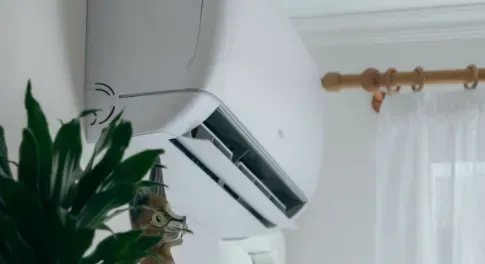
Mini split systems, also known as ductless mini splits or ductless mini split systems, work differently. Instead of using ducts, they rely on multiple indoor units connected to an outdoor unit. This ductless system allows you to control temperature settings in individual rooms or specific areas of the house.
Mini Split vs. Central Air Cost
The cost of a new cooling system depends on several factors:
- Your home’s layout
- Your current system
- Whether your home already has ductwork
If you’re installing a single mini split, it will tend to cost less upfront than central air for your entire home. However, costs increase as you add more indoor units to cover the entire home.
Central air conditioner systems may have a higher upfront cost, especially if new ductwork is required. But they can be more cost-effective for cooling large spaces all at once, saving you money over time.
Installation: Ducted vs Ductless Systems
Installation is one of the biggest differences between these two types of HVAC equipment.
A central air system requires ductwork to move air throughout the home.
If your house already has a ducted system connected to a furnace or central heating setup, installing a new central air conditioner is usually more straightforward. However, if ducts need to be added in the attic, basement, or behind walls, installation becomes more complex and can increase the total cost.
Ductless mini splits offer a simpler alternative.
Because there are no vents or ducts required,
ductless mini split installation typically involves mounting indoor units in specific rooms and connecting them to an outdoor unit through a small opening in the wall. This makes ductless systems a great option for older homes, additions, garages, or spaces where installing ductwork would be difficult.
Energy Efficiency and Monthly Utility Bills
Energy efficiency is a major consideration when choosing between cooling options.
Ductless mini splits are often considered highly energy efficient because they eliminate the risk of wasted energy through ductwork. In a traditional ducted system, air can escape through leaks or poorly insulated ducts, leading to higher energy bills.
Mini splits also allow you to cool specific rooms instead of the entire home, which can reduce how much energy you use. For example, you can adjust temperature settings in individual rooms or only run the system where needed, rather than cooling empty spaces.
Central air systems can also provide
energy-efficient cooling, particularly newer systems designed with improved efficiency standards. However, older systems or poorly maintained ductwork can lead to wasted energy and higher utility bills. Regular maintenance, including changing the air filter and checking the blower fan, helps keep any air conditioner running efficiently.
Comfort, Airflow, and Indoor Air Quality
Comfort is about more than temperature. Airflow and indoor air quality also matter.
A central air conditioner distributes air through vents, helping maintain consistent temperatures throughout the house. This can create a balanced and comfortable environment, especially in larger homes.
Ductless systems provide more direct control. Each indoor unit delivers air into a specific room, allowing you to customize comfort based on your specific needs. This can be especially helpful in spaces that tend to get too hot or too cold, such as a garage, attic room, or sunroom.
Indoor air quality is another factor to consider. Central air systems rely on a central air filter to clean the air as it circulates, while ductless systems use individual filters in each unit. Both options can support good indoor air quality when properly maintained, but the approach differs depending on the system.
Heating and Cooling in One System: The Mini Split Advantage
Another advantage of many mini split systems is that they function as a heat pump, providing both heating and cooling in one system. This makes ductless heat an appealing option for homeowners looking to supplement or replace traditional heating equipment.
Central air systems are typically paired with a
furnace or
boiler to handle heating during colder months. While this setup is effective, it means maintaining separate components for heating and cooling.
If you’re considering replacing older systems or upgrading your current system, it may be worth thinking about whether a combined heating and cooling solution fits your long-term goals.
Choosing the Right System for Your Home
Choosing between a mini split and a central air conditioner is ultimately about long-term value, comfort, and efficiency. The right system should meet your specific needs, work with your home’s layout, and help you manage your energy use over time.
At Town Oil, we’re here to help you evaluate your options and find the right solution without pressure. Whether you’re looking to replace an older system, install new equipment, or improve your home’s comfort, our team will guide you every step of the way.
Call today to schedule a consultation and let us help you create a more comfortable, energy-efficient home you can rely on for years to come.