

5 Warning Signs Your Heat Pump Needs a Tune Up Before Fall
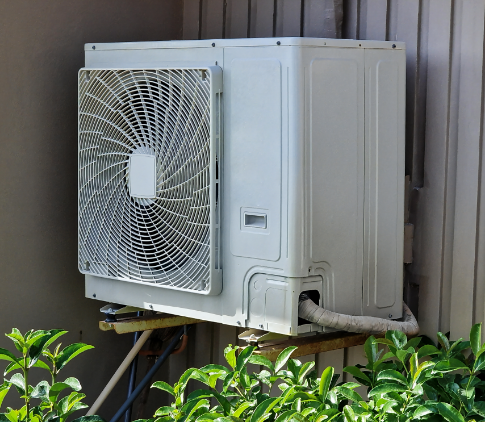
Your heat pump handles your air conditioning through the hottest months, then it's expected to switch over and heat your home as soon as the nights turn cool. That's a lot to ask of one system, and by early fall, plenty of heat pumps are showing some wear.
Most problems give you a heads-up before they turn into a major breakdown. Knowing the heat pump tune up signs to watch for can help you catch small issues early, keep energy costs in check, and avoid emergency breakdowns when you need heat the most.
Here are five heat pump tune up signs that mean it's time to call for heat pump maintenance.
1. Your Energy Bills Keep Climbing
Rising energy bills are one of the most common heat pump tune up signs, and one of the easiest to miss if you aren’t watching your monthly statements. If your utility bills are higher than they were this time last year and your thermostat setting hasn't changed, your heat pump is probably working harder than it should.
A few things can cause higher energy bills:
- Dirty coils make it harder for the system to move heat
- A clogged filter restricts airflow, so the system runs longer to reach the desired temperature
- Low refrigerant forces the compressor to work overtime
Each of these increases energy consumption and wears down parts faster, but a tune up addresses all of them. Cleaning the indoor coil and outdoor condenser coil, replacing dirty filters, and checking refrigerant levels can bring your system's efficiency back up and keep it from using more electricity than it needs to.
2. Weak Airflow or Uneven Heating
Hold your hand over a supply register. If the airflow coming out feels weak, or if one room feels noticeably colder than the rest of the house, something is off.
Weak airflow often starts with something simple, like a dirty air filter. But it can also point to a failing blower motor, worn motor bearings, or blocked ductwork. Uneven heating and cold spots usually mean the system isn't moving enough air to keep a consistent temperature throughout your living spaces.
When your heat pump can't keep up, it runs longer cycles, which drives up energy costs and puts extra strain on the equipment. During a heat pump tune up, a technician checks airflow, cleans components, and looks for anything keeping warm air from reaching every room.
3. Strange Noises When the System Runs
Heat pumps make some noise. A low hum from the outdoor unit or the sound of air moving through the vents is normal. Grinding, squealing, rattling, banging, or hissing is not.
Here's what unusual noises can point to:
- Grinding or squealing: worn motor bearings or a failing fan motor
- Rattling: loose parts or debris in the outdoor unit
- Hissing or bubbling: a possible refrigerant leak in the refrigerant lines
- Constant clicking: electrical problems or a malfunctioning thermostat
Strange noises usually mean a part is wearing out or something has come loose. Left alone, a small problem can turn into compressor issues, and compressor repairs are among the most expensive fixes a heat pump can need. Catching issues like these during routine maintenance keeps the repair cost much lower.
4. Short Cycling
Short cycling happens when your heat pump turns on and off much more often than it should. Instead of running steady cycles, the system starts, runs a few minutes, shuts off, and starts again.
This is one of the more serious signs your heat pump needs professional attention. Common causes include a malfunctioning thermostat, low refrigerant, dirty coils, an oversized system, or loose electrical connections. Short cycling wastes energy, makes it hard to hold the desired temperature, and puts heavy wear on the compressor every time it starts.
If your system runs in short bursts, a technician can test the thermostat, check refrigerant levels, tighten electrical connections, and find the cause before it cuts into your heat pump's useful life.
5. Musty Odors or Poor Air Quality
Your heat pump shouldn't make your house smell. Musty smells when the system kicks on can mean moisture is building up inside, which can lead to mold growth on the indoor coil, in the drain pan, or in the ductwork.
Musty odors can also come from dirty filters that haven't been changed in a while. Either way, that air is circulating through your home every time the equipment is running.
A tune up includes cleaning the coils, clearing the condensate drain, and checking for moisture problems. That helps protect your indoor comfort, and your family's comfort, through the colder months.
What Happens During a Heat Pump Tune Up
Unlike a furnace, a heat pump runs year-round, so it gets roughly twice the use of a heating system that only works in winter. Heat pump maintenance gets your heat pump ready for the switch from cooling to heat.
During a professional heat pump tune up, a technician will typically:
- Replace or clean the air filter
- Clean the indoor and outdoor units, including the indoor coil and outdoor condenser coil
- Check refrigerant levels and look for leaks
- Tighten and test electrical connections
- Lubricate moving parts and check motor bearings
- Test the thermostat and defrost cycle
- Make sure the system is working efficiently in heating mode
Routine maintenance protects you in other ways, too. Many manufacturers require regular service for warranties to remain valid, so skipping your heat pump tune-up could leave you paying for a repair that should have been covered. A well-maintained system also lasts longer, which helps you avoid early replacement.
Even newer models benefit from a yearly tune up. They're more efficient, but they still have filters, coils, and electrical parts that need regular attention to keep your HVAC system running the way it should.
Schedule Your Professional Tune Up Now
Most heat pump problems start small: a little weak airflow, an odd noise, a bill that's a bit higher than last month. Paying attention to heat pump tune up signs gives you time to fix problems before they turn into costly repairs, or frequent repairs that add up over the season.
If you've noticed any of these heat pump tune up signs, or if it's been more than a year since your last service, now is a good time to schedule. A tune up in early fall means your heat pump is ready before the first cold snap instead of scrambling to catch up during it.
Contact Town Oil today to schedule your heat pump tune up and head into the colder months with confidence.